If you have ever woken up at 3:00 AM, stared into the cold darkness of your bedroom, and wished the bathroom would just come to you—congratulations. Your incredibly specific dream has officially become a reality.
A Chinese technology company called Yueban has stunned the tech and healthcare worlds by introducing **Xiaoban**, a fully autonomous, motorized smart toilet designed to drive straight to your bedside on command.
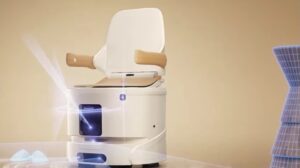
The Xiaoban self-driving toilet robot. Source: Qazinform
How Does a Driving Toilet Work?
Xiaoban isn’t just a portable commode on wheels; it’s a highly advanced piece of robotics packed with sensors, smart navigation, and plumbing engineering.
1. The Summon & Drive
Using a dedicated remote control, a smartphone app, or a simple voice command, you can summon Xiaoban from across the room. It activates its electric drivetrain and uses built-in obstacle avoidance to navigate around messy bedroom floors, dodging laundry baskets, slippers, and sleeping pets to dock right next to your bed.
2. The Clean-Up Cycle
Once you’ve done your business, the robot doesn’t just sit there. It is equipped with a premium, integrated bidet system that provides a warm-water wash followed by a hot-air drying cycle. To keep the bedroom smelling fresh, it also features an active odor-control and vacuum system.
3. The Self-Cleaning Dock
The real magic happens *after* you’re finished. Xiaoban automatically drives itself back to its home base. This base station is directly connected to your house’s main plumbing and power supply. Once docked, the robot:
* Flushes the waste down the home’s drain using a low-noise grinder to prevent clogging.
* Runs through a complete internal self-cleaning and sanitizing cycle.
* Refills its clean water reservoir and recharges its battery for the next trip.
Who is This Actually For?
While the internet has already flooded the comment sections with jokes about “peak lazy gaming setups” (drawing endless comparisons to Eric Cartman’s infamous *South Park* gaming chair), Xiaoban was actually built with a deeply serious and impactful purpose.
The vehicle is specifically engineered for the elderly, individuals with severe mobility impairments, and those recovering from surgery.
For people who face a high risk of falling during late-night trips to the bathroom—or those living in older, cramped city apartments where retrofitting a wheelchair-accessible bathroom is structurally or financially impossible—this robot is a massive game-changer for independent living.
The Price of Ultimate Convenience
Having a dedicated robotic butler handle your most private business isn’t cheap. Xiaoban launched in China with a price tag of 28,999 yuan (which shakes out to roughly $4,000 USD).
While $4,000 might sound steep for a single appliance, compared to the thousands of dollars it costs to completely remodel a home bathroom for accessibility—or the ongoing costs of assisted living care—it’s a surprisingly competitive alternative.
There’s no official word yet on when Xiaoban might roll into international markets, but one thing is certain: the future of smart home automation has officially breached the bathroom door.