For the last couple of years, GLP-1 weight-loss medications completely hijacked the global conversation around health, weight, and beauty. But as we move through the summer of 2026, a massive cultural counter-reaction is taking over.
Dubbed “Fauxzempic” by global trend forecasting agency WGSN, a new wave of beauty and self-care is exploding. It targets the wellness-first, pharma-hesitant consumer who wants high-performance, sculpted results—but wants them strictly from an at-home, side-effect-free routine.
Why the Paradigm is Shifting
While clinical innovations aren’t going anywhere, many consumers are experiencing “needle fatigue” or simply prefer to avoid prescriptions. The market has responded by creating over-the-counter and topical products engineered to mimic clinical, ultra-sculpted aesthetics.
Instead of systemic changes, the focus has pivoted to intense localized body care, lymphatic health, and advanced structural skincare.
The Core Pillars of the Trend
Topical Sculpting & De-Bloat Serums: Skincare is moving past simple hydration. Advanced body creams and facial serums packed with high-potency collagen-boosting actives and adaptogens are being formulated specifically to tighten, de-puff, and mimic the chiseled jawlines and lean profiles popularized by clinical interventions.
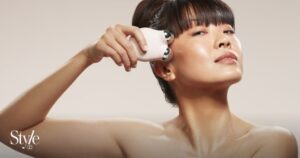
Lymphatic-Drainage Tech: Consumer tech is getting deeply integrated into morning routines. Sales of microcurrent devices, contouring face wraps, and specialized body-sculpting tools are surging as people take manual control over fluid retention and muscle toning.
The “Secret Weapon” Mindset: Interestingly, this trend is accompanied by a massive shift in social currency. According to industry data, consumer culture is moving away from the extreme over-sharing of the early 2020s toward a vibe of protective gatekeeping. In 2026, closed communities, locked broadcast channels, and invite-only groups are on the rise. If someone asks what product or tool gave you those sculpted results, the trend dictates that you just might not tell them.
The Big Picture: The Fauxzempic wave isn’t a rejection of the chiseled, ultra-toned aesthetic—it’s a democratization of it. By replacing clinical prescriptions with highly active body care, at-home tools, and manual lymphatic manipulation, consumers are finding ways to participate in the look on their own holistic terms.